
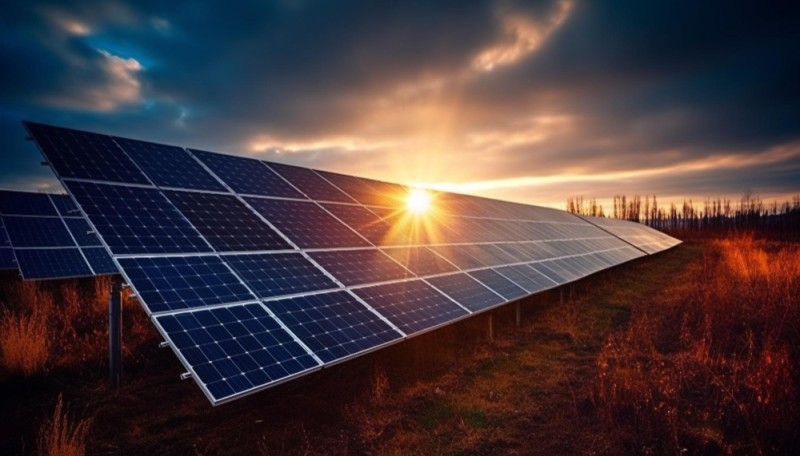
The Philippines is witnessing a significant surge in the adoption of rooftop solar systems as both households and businesses seek to mitigate the effects of soaring electricity prices. This shift has positioned the nation as one of the fastest-growing solar markets in response to the escalating costs of energy.
In recent months, electricity prices have spiked, exerting additional financial pressure on households that already face some of the highest power rates in Southeast Asia. With limited government subsidies available, a growing number of consumers are opting for solar panels as a sustainable solution to reduce monthly energy expenses. This increased demand has consequently led to a substantial rise in solar equipment imports, as more individuals invest in rooftop systems. Solar installers report a surge in customer inquiries as families and businesses explore alternatives to costly grid electricity.
For many, the decreasing cost of solar technology has made the transition more appealing. Households that have installed solar panels, often coupled with battery storage systems, have experienced significant reductions in their electricity bills. Analysts predict that distributed solar capacity in the Philippines will expand rapidly in the coming years, with shorter payback periods enhancing the attractiveness of solar investments.
However, several challenges persist, including high upfront costs, supply chain issues, fluctuating equipment prices, and limited access to financing for some households. Despite these hurdles, experts suggest that rising energy prices will continue to propel solar adoption, as more Filipinos strive for greater autonomy over their electricity expenses.