
As the European Union faces critical budgetary decisions, the implications of the bloc’s financial framework for 2028–2034 are set to significantly impact member states. The European Commission has proposed a substantial €1.9 trillion budget, but with certain countries advocating for reductions and others keen on preserving funds for agriculture and regional cohesion, the stakes are high. This budgetary tug-of-war could influence economic policies and funding allocations across the EU for years to come.
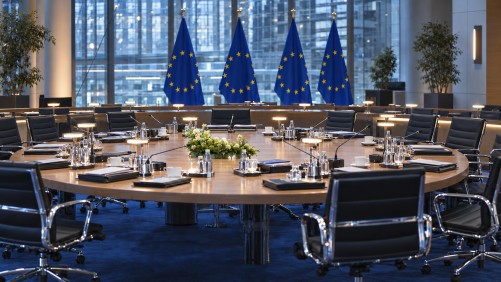
Under Ireland’s presidency of the Council of the European Union, European affairs ministers are convening in Brussels to negotiate the budget’s fine details. Germany, Denmark, the Netherlands, Sweden, and Austria are among the nations pushing for cuts, while other countries focus on safeguarding specific sectors. Ireland is tasked with forging consensus on both the budget’s size and the member states’ contributions, in a bid to reach an agreement before the upcoming EU leaders’ summit in October.
Complicating matters further, the EU is also preparing to begin repayment of its post-Covid recovery loans starting in 2028, necessitating an annual allocation of approximately €24–€25 billion. This financial commitment adds urgency to the ongoing discussions, as member states deliberate on sustainable revenue sources to support the EU budget. Among the proposals are the redirection of carbon-related levies, contributions from large firms, and taxes on electronic waste, which could generate around €44 billion annually according to the European Commission.
New revenue measures, however, face the challenge of requiring unanimous approval. Ideas such as taxes on cryptocurrencies, large technology companies, and a gambling levy are under consideration, reflecting the EU’s broader strategy to diversify its income streams. As Ireland drafts a negotiating framework, the complexity of these negotiations underscores the broader economic implications for the EU and its member states.
In parallel to the budget talks, the EU and the Philippines have made significant strides towards finalizing a free trade agreement. This long-awaited deal, which has been in negotiation since 2016 and resumed in 2024, promises to cut tariffs on over 97% of bilateral trade. With EU-Philippines trade in goods and services reaching €17.6 billion and €10.3 billion respectively last year, the agreement stands to enhance economic ties and foster mutual growth.