
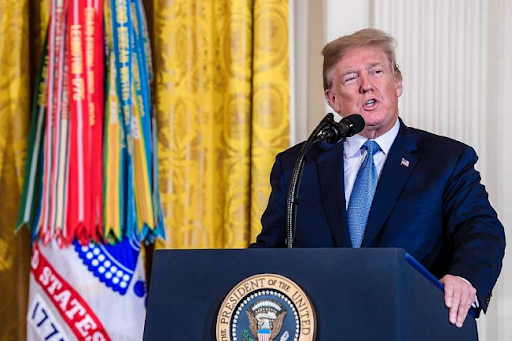
The United States and Iran find themselves in a precarious diplomatic dance, with nuclear negotiations underway even as American military forces build up in the Gulf. President Trump offered a window into this complex relationship during his State of the Union Address, outlining both the possibilities and the limits of engagement.
Trump revealed that two rounds of nuclear talks have taken place between Washington and Tehran this month, a sign that both sides are at least willing to engage. Yet the president made clear that talks can only succeed if Iran commits to a fundamental condition — the permanent, unconditional abandonment of nuclear weapons development.
The president also raised alarms about Iran’s missile capabilities, saying that Tehran has already developed weapons capable of striking Europe and US military bases abroad. More concerning, he said, is Iran’s push to develop missiles that could reach American soil, a prospect he described as an unacceptable escalation.
Trump revisited last year’s US strike on Iranian nuclear facilities, defending the decision and describing it as a necessary measure to protect global security. He said Iran had been warned not to rebuild its weapons programme following the strike, yet accused Tehran of defying that warning and resuming development.
Striking a balance between firmness and flexibility, Trump said he would always seek peace where possible, but would never hesitate to confront threats to American security. The ball, he suggested, is in Iran’s court — and the choice Tehran makes will shape the trajectory of this dangerous standoff.
Nuclear Talks and Military Threats: The US-Iran Tightrope in 2026
20