
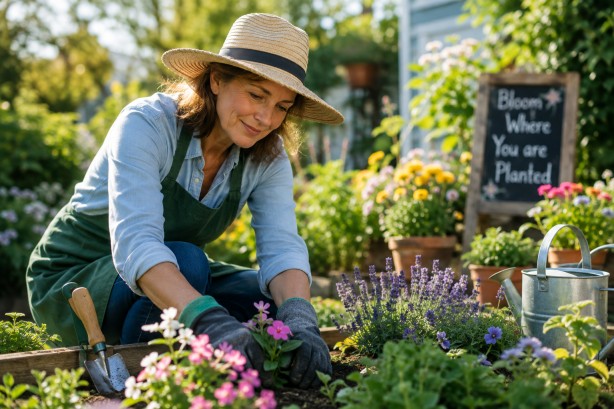
Gardening, often cherished as a soothing pastime, might offer benefits extending beyond mere aesthetic appeal. Engaging in this activity combines physical exertion, exposure to the outdoors, sensory interaction, and a connection with nature, contributing to enhanced overall well-being. Research highlights several physical and mental health advantages linked to gardening, providing a multifaceted boost to a healthier lifestyle.
One of the notable benefits of gardening is its positive impact on cognitive health. The activity involves a blend of movement, planning, and sensory engagement. Tasks such as selecting plants, remembering care instructions, and handling soil offer ongoing mental stimulation. Studies suggest that regular gardening is associated with improved cognitive function, likely due to its combination of physical exercise, mental engagement, and mood enhancement.
Gardening also serves as a stress-relieving sanctuary. Being surrounded by greenery can foster a calming atmosphere, aiding in stress reduction. Activities like watering, pruning, planting, or simply being amidst nature offer a respite from daily pressures. Reduced stress levels are linked with improved overall health, positioning gardening as a beneficial addition to a balanced lifestyle.
Moreover, gardening provides a sense of purpose and accomplishment, thereby supporting mental well-being. The process of nurturing plants and witnessing their growth encourages individuals to spend more time outdoors, away from everyday distractions. Studies associate gardening with improved mood and reduced anxiety and depression, contributing to greater life satisfaction.
Gardening naturally promotes outdoor activity, which exposes individuals to daylight, essential for vitamin D production—vital for bone health, immune function, and overall well-being. However, appropriate sun protection is advised during periods of intense sunlight. Additionally, the physical demands of gardening, such as digging and planting, offer a practical way to incorporate movement into daily routines, particularly for those with sedentary lifestyles. The combined benefits of physical activity, stress reduction, and outdoor time may contribute to better long-term health, supporting healthier aging, especially in older adults.