
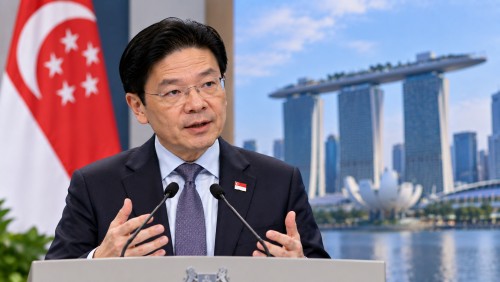
Singapore is set to see adjustments in its political salary framework, as current officeholders anticipate a one-off salary increase of up to 9% starting October 15, 2026. This move aims to attract capable individuals to political service while emphasizing that public office should be motivated by a commitment to serve the nation, rather than financial gain. The salary adjustment follows recommendations from an independent review committee, highlighting the need to maintain a balance between fair compensation and the ethos of public service.
The announcement comes amid reflections from Prime Minister Lawrence Wong on his own journey into politics. Wong, who made a significant career shift in 2011, described his transition from the civil service to politics as a “complete leap of faith.” At the time, he held the role of chief executive of the Energy Market Authority and decided to resign without a clear understanding of his future position or financial terms, thus forfeiting his civil service pension just shy of the 15-year requirement for retention.
Wong’s motivations were rooted in a desire to contribute more directly to Singapore’s development through a different form of public responsibility. His journey from being elected to Parliament in 2011 to holding various ministerial roles, and ultimately becoming prime minister, underscores the kind of commitment and risk involved in political service. He emphasized that political roles require making tough decisions, setting strategic priorities, and being accountable for governmental outcomes.
During a parliamentary debate on the subject, Wong reiterated the importance of ensuring that political service remains attractive to future generations. His comments underline the broader objective of the revised salary framework, which aims to ensure that talented Singaporeans continue to consider politics as a viable path to serve their country responsibly.
This development reflects Singapore’s ongoing efforts to cultivate a political landscape that values public service commitment while also recognizing the need to offer competitive compensation to attract talented individuals capable of shaping the nation’s future.