
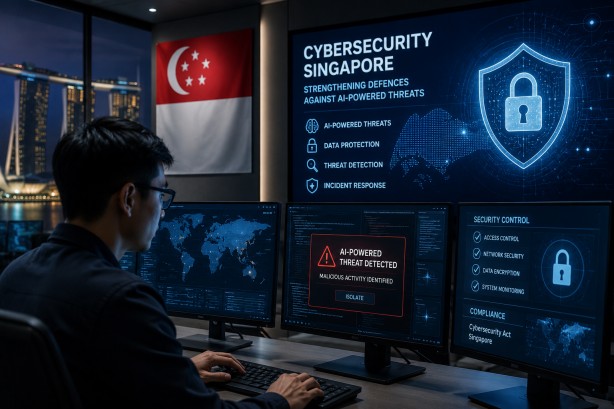
In a decisive move to bolster cybersecurity defenses, Singapore has mandated tougher requirements for operators of critical information infrastructure (CII). This initiative aims to counter the rising threat of sophisticated cyberattacks, particularly those enhanced by artificial intelligence. As part of the revised Cybersecurity Code of Practice, CII operators are now required to implement an intrusion detection system developed locally and ensure cybersecurity matters receive full attention at the board level.
The updated regulatory measures affect 11 essential sectors, encompassing banking, energy, healthcare, telecommunications, transport, water, and government services. These sectors are crucial to the nation’s infrastructure, and the new rules are designed to ensure their protection against potential cyber threats. The introduction of these measures comes in the wake of cyberattacks on Singapore’s prominent telecommunications providers, which have heightened concerns about AI’s role in identifying system vulnerabilities and executing more sophisticated attacks.
Singaporean authorities have emphasized the necessity for organizations to adopt stronger governance practices, enhance their cyber resilience, and conduct regular reviews of their cybersecurity frameworks. These steps are vital to safeguarding the critical national infrastructure from evolving cyber threats. The emphasis on board-level oversight underscores the importance of having cybersecurity as a strategic priority at the highest levels of organizational leadership.
By requiring the deployment of a locally developed intrusion detection tool, Singapore is leveraging domestic innovation to fortify its defenses. This approach not only enhances the nation’s cybersecurity posture but also promotes local technological advancements. As cyber threats continue to evolve, such proactive measures are essential to maintaining the integrity and security of critical systems that underpin the nation’s infrastructure.