
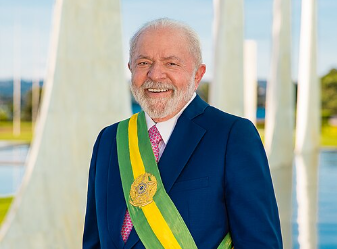
Legislation that would significantly reduce sentences for coup attempt participants has become a major political issue in Brazil following congressional passage. President Lula da Silva immediately announced his opposition, stating he would veto the measure when it reaches his desk. The bill would particularly benefit former President Jair Bolsonaro, whose 27-year sentence could be substantially shortened.
The president’s public comments emphasized that crimes against democratic institutions demand appropriate accountability and legal consequences. Lula also acknowledged the political mathematics that could allow congress to override his veto. This candid discussion sets the stage for potential constitutional confrontations in the coming weeks.
Under the proposed legislation, Bolsonaro’s minimum time in high-security confinement would decrease from six years to just over two years. This calculation incorporates a mechanism that combines sentences for related crimes while counting only the most severe offense. Additional credits for good behavior and educational activities would further reduce actual time served.
Bolsonaro currently resides in a special cell at federal police headquarters, where security arrangements accommodate his high-profile status. His legal team is working to secure authorization for medical treatment, specifically surgery to address a hernia condition. The family’s public response has mixed disappointment at not achieving complete amnesty with satisfaction at securing partial sentence reductions.
The legislation provides sentence reductions for all individuals convicted in connection with the coup attempt, including military officers and civilian participants in subsequent violence. This wide-ranging application has troubled those who viewed the original convictions as essential for establishing accountability norms. Public opinion research shows that most Brazilians oppose these sentence reductions, suggesting potential political risks for legislators who supported the measure.
Brazil Confronts Tensions Between Justice and Politics
24