
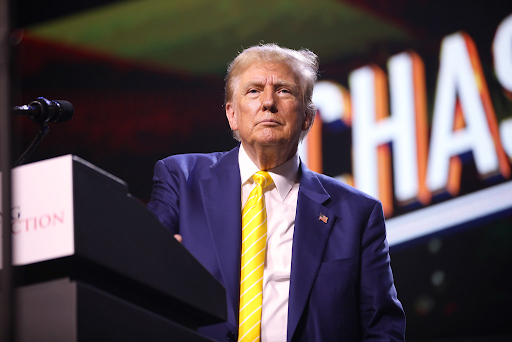
For millions of American consumers, the latest tariff announcement from President Trump carries a very direct implication: prices on imported goods are going up. Trump raised tariffs on all US imports from 10% to 15%, invoking a 1974 trade law just hours after the Supreme Court struck down his previous tariff authority. While the political drama surrounding the decision dominated headlines, the practical consequences for everyday Americans deserve equal attention.
Studies consistently show that roughly 90% of tariff costs are absorbed not by foreign exporters but by American importers, businesses, and ultimately consumers. With the US having already collected over $130 billion under the now-struck-down IEEPA tariffs, the additional 5% hike under the new 15% rate represents a meaningful increase in the cost of goods ranging from electronics to clothing to household appliances. Top business associations have already begun calling for refunds — a process Trump indicated would require a prolonged legal fight.
The new tariffs, authorized under Section 122 of the Trade Act of 1974, are limited to 150 days before requiring congressional approval. During that window, certain goods are exempt: critical minerals, metals, pharmaceuticals, and goods from Canada and Mexico that comply with the USMCA trade agreement. For everything else, the full 15% applies, layered on top of any existing sector-specific tariffs on steel, aluminum, lumber, and autos that the Supreme Court ruling left untouched.
International trading partners reacted with alarm. Germany warned of the economic damage caused by constant tariff uncertainty, while France championed the rule of law and called for reciprocity rather than unilateral trade decisions. The UK, which had negotiated a 10% tariff arrangement, found that deal suddenly obsolete — adding to a growing sense among US allies that trade agreements made with the current administration carry little guarantee of durability.
For consumers, the bottom line is sobering. Higher tariffs mean higher prices at the checkout, particularly on imported goods. While Trump frames the policy as a necessary defense of American manufacturing, economists broadly agree that the costs fall disproportionately on the American households the policy claims to protect. With legal challenges to the new tariffs already anticipated, the economic uncertainty is likely to persist for months to come.
Trump Raises Tariffs to 15%: What It Means for Your Wallet
37