
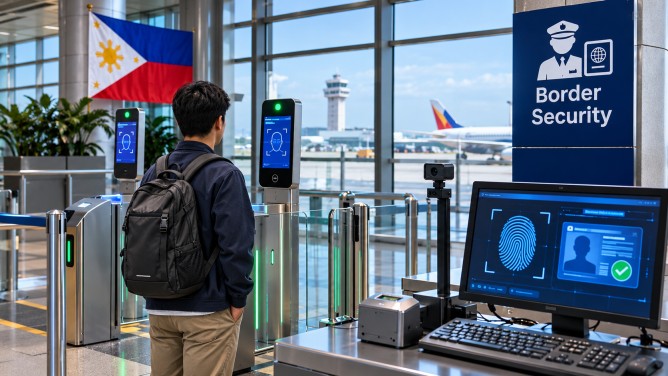
Securiport, a U.S.-based firm specializing in civil aviation security and border control solutions, is eyeing significant investment opportunities in the Philippines as part of its participation in the ASEAN Business and Investment Summit in Manila. The company aims to collaborate with Philippine government officials and ASEAN business leaders to discuss the implementation of advanced border security technologies that comply with International Civil Aviation Organization (ICAO) standards. This initiative is pivotal as the Philippines manages rising passenger volumes in its aviation sector.
The summit will coincide with the 49th ASEAN Summit, hosted by the Philippines from November 14 to 17 at the Philippine International Convention Center in Pasay City. The ASEAN-U.S. Special Summit is also scheduled for November 17, according to the Department of Foreign Affairs. Securiport’s involvement underscores its intent to establish a long-term business presence in the Philippines, especially as the country seeks to bolster its aviation infrastructure and improve international travel management.
In 2025, Philippine airports recorded a historic 62.34 million passengers, marking a 4% increase from 2024. International travelers constituted 29.1 million of this total. To address this growing demand, Securiport has proposed the Civil Aviation and Immigration Security Services (CAISS) project—a PHP 10.74 billion (approximately US$171.5 million) initiative through the Public-Private Partnership Center of the Philippines. The proposal, currently under government review, includes implementing biometric verification and passenger data analytics across various international airports, the Zamboanga international seaport, and several border crossing stations.
Dr. Enrique Segura, President and CEO of Securiport, emphasized the importance of the Philippines as a key aviation market in Southeast Asia, noting the necessity for secure and efficient border systems. He described the company’s approach as a partnership model that combines private investment, technology, and local capacity building without imposing additional public budget burdens. Chief Strategy Officer Dr. Attila Freska highlighted the importance of data sovereignty, assuring that the proposed systems would maintain traveler data within government-controlled data centers in the Philippines.
The proposed CAISS project comes amidst increasing demands on border infrastructure due to growth in passenger traffic, tourism, and regional trade. If approved, the project could enhance the Philippines’ existing government systems with new biometric and analytical functionalities, thereby supporting immigration security operations. Securiport’s discussions at the summit may provide crucial insights into the project’s requirements and potential collaborations, with its advancement dependent on the Philippine government’s approval process.
Rahel Getachew
Securiport
+1 202-333-0159
Legal Disclaimer:
The information contained in this article has been provided by independent third-party contributors, clients, or content partners. We do not independently verify the accuracy, completeness, legality, ownership, licensing, or reliability of submitted content, including text, images, videos, trademarks, or other media materials. The submitting party is solely responsible for ensuring that all content, including images and media assets, complies with applicable copyright, trademark, licensing, and intellectual property laws. We disclaim liability for any unauthorized use of copyrighted or proprietary materials by third parties. If you believe that any content published on this platform infringes your intellectual property rights, kindly contact the author above for prompt review and resolution.