
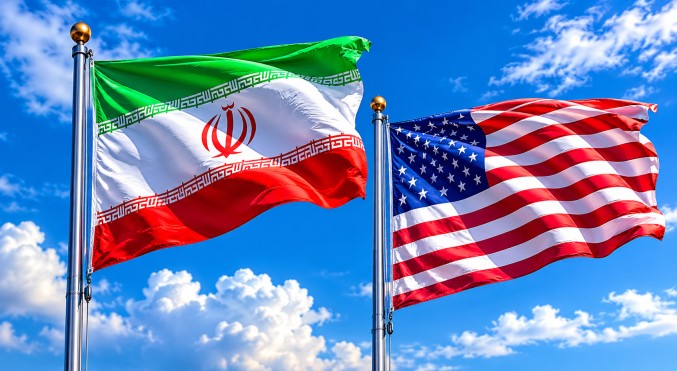
In recent days, Iran and the United States have reported incremental progress in their ongoing negotiations, amid persistent concerns of potential renewed military strikes by the U.S. Iranian representatives noted that the gap between the two countries’ positions has narrowed, with current discussions prioritizing a wider ceasefire and efforts to de-escalate regional tensions. According to Esmail Baghaei, the spokesperson for Iran’s Foreign Ministry, the primary focus of these negotiations is to halt hostilities initially, leaving nuclear issues to be tackled at a later stage.
U.S. Secretary of State Marco Rubio has similarly recognized advancements in the diplomatic talks, indicating that ongoing efforts could soon yield further developments. The U.S. continues to assert its firm stance that Iran must be prevented from acquiring nuclear weapons, insisting on assurances concerning uranium stockpiles and the reopening of the Strait of Hormuz as part of any agreement.
Iran’s political landscape remains wary, as expressed by the parliament speaker, Mohammad Bagher Ghalibaf. He cautioned that any new military strikes from the U.S. would provoke a more robust response from Iran. Ghalibaf also mentioned that Iran has been actively restoring elements of its military capabilities following recent conflicts and a tenuous ceasefire.
In a bid to facilitate dialogue between Tehran and Washington, Pakistan continues to play a mediating role. The country’s army chief has engaged in meetings with Iran’s senior leadership in Tehran, which officials have described as productive and aimed at setting the stage for another round of direct negotiations.
These diplomatic endeavors are unfolding against a backdrop of escalating concerns over stability in the Middle East, global energy supply disruptions, and the potential for increased conflict in the region. As both nations navigate these complex issues, the international community closely watches their negotiations for signs of lasting peace and stability.