
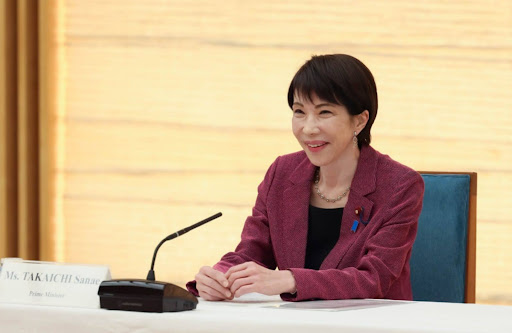
Japan has announced the largest strategic oil reserve drawdown in its history as the US-Israel conflict with Iran threatens to disrupt global energy supplies. Prime Minister Sanae Takaichi confirmed that roughly 80 million barrels of state oil reserves would be released to refiners, representing 45 days of Japan’s domestic consumption. The move comes as fighting continues near the Strait of Hormuz, a critical bottleneck for global oil shipments. Japan, which imports over 90% of its crude from the Middle East, has been among the nations most alarmed by the escalating conflict.
Takaichi made the announcement through a post on X, stating that peace and stability in the Middle East are of extreme importance to both Japan and the international community. She also confirmed that Tokyo would continue to pursue diplomatic efforts in cooperation with allied nations. The prime minister has already told US President Trump that Japan’s constitution bars it from sending naval forces to the Strait of Hormuz. This position has put Tokyo in a delicate spot as Washington pushes for broader multilateral involvement in the region.
The volume of oil being released breaks all previous records. It is 1.8 times larger than the emergency release following the 2011 earthquake and tsunami that triggered the Fukushima nuclear disaster. Japan still has about 470 million barrels in reserve, enough to last 254 days. An additional release of 15 days’ worth of private-sector stocks was also approved last week, supplementing the state drawdown.
Consumer fuel prices have been addressed with new government subsidies capping petrol at ¥170 per litre. This intervention came after prices peaked at a record ¥190.8. The subsidy mechanism will be reassessed weekly based on oil price trends. Industry observers say the combined policy measures are among the most comprehensive energy emergency responses Japan has ever deployed.
Concern over supply disruptions has triggered irrational hoarding on social media, with users posting about stocking up on toilet paper and other essentials. Japan’s trade ministry was quick to push back, advising citizens to make rational decisions and noting that nearly all of the country’s toilet paper is made domestically. Industry groups confirmed they could increase production if demand spiked. Officials are determined to prevent consumer panic from compounding an already challenging energy situation.